Something that I've often heard from mid level blue belts directed towards some enthusiastic whitebelt is, "You're not supposed to do that" or "That's not a good idea" or "Don't do that from inside the guard" usually directed at someone trying a choke from inside the guard, or holding a guillotine attempt after their guard has been passed, or driving a forearm into the throat from inside guard. These are things that we know are 'wrong', but WHY are they wrong?
Well, they are wrong because they get you submitted or swept, right? But what if you, the blue belt telling this white belt that they are 'doing it wrong' can't actually get that sweep? What if you can't make the transition to the armbar? Is it really wrong for them to be choking you inside your guard if you can't do anything to stop them?
The answer is NO. It's 100% correct for them to do it to you if you can't prevent it. There are no wrong techniques in jiujitsu, only things that work and things that don't, If it works then it's not wrong. When it stops working, then it's wrong.
Just something for all of the blue belts to keep in mind next time they think about telling some enthusiastic noob that what they are doing is 'wrong'.

Showing posts with label philosophy. Show all posts
Showing posts with label philosophy. Show all posts
Wednesday, April 12, 2017

Wednesday, June 10, 2015
Training With Focus
This will be the first post I've written in a while that actually has a broader audience in mind, so it's probably going to be a bit long.
I've recently been involved in some random discussions over on /r/bjj that involved discussions of how often and how long people train each week, how much time is spent rolling vs drilling, whether people are hurting their progress by only training X amount of time per week, etc...
I train about 4 hours a week. Occasionally I manage to train 6 hours a week, and sometimes I can only train 2 or even 0 hours. And yet in the last 12 months I have improved to the point that I am rolling reasonably competitively with blackbelts and brownbelts who were absolutely clowning on me 12 months ago. The question becomes, 'How am I improving with so little training time?' and the answer is that I maintain a very tight focus when I am in class.
Very often I will see white and blue belts, even other purple belts, drill a technique four or five times, then spend a bunch of time randomly chatting, then maybe drill it a few more times, then it's time for the next technique. During that same interval I drill the same technique thirty times, or fourty, or fifty. When I'm talking it's about troubleshooting the technique with my partner. I am focused on drilling the technique as many times as possible, thinking through each step of the technique, building a mantra for completing it and ingraining it as much as I can during the time I have available.
This focus also translates to rolling. I have an overarching concept that I am working on each time. If you are familiar with my writing you will remember the 'Be More Assertive' project from a few years ago. That was the overarching theme to my training for a long time and is still a constant point for me to remember. My current focus is on transitioning from defense to offense. That means that I am willing to risk letting my opponent advance positions in order to switch from purely defending into an offensive attempt of some kind. I know my defense is good, now I need to make that switch.
Because I have that overarching concept to base my training on I roll with a focus on improving that aspect of my jiujitsu. I am constantly working towards a specific goal and not just rolling for the sake of rolling.
Focus is what leads to improvement when other people are plateaued. When I plateau I on a given concept I drill down. I recently plateaued on my defense to offense work because I was getting into halfguard and locking the position down and stalling without offense. Other places I was transitioning fine from defense to offense, but halfguard I was not. I made it a focus for several weeks to get halfguard and specifically work on generating space, created sweep opportunities, and really working on my ability to attack from halfguard and make it an offensive position. I have been able to break through my plateau because of that and continue to improve.
For people who are able to train 20 hours a week this isn't a big deal. You can spend so much time on the mats that you just get better by dint of training volume. For those of us who are stuck training 3-6 hours a week it's critically important that we are mindful of how we spend our time when we are on the mats if we want to improve.
I've recently been involved in some random discussions over on /r/bjj that involved discussions of how often and how long people train each week, how much time is spent rolling vs drilling, whether people are hurting their progress by only training X amount of time per week, etc...
I train about 4 hours a week. Occasionally I manage to train 6 hours a week, and sometimes I can only train 2 or even 0 hours. And yet in the last 12 months I have improved to the point that I am rolling reasonably competitively with blackbelts and brownbelts who were absolutely clowning on me 12 months ago. The question becomes, 'How am I improving with so little training time?' and the answer is that I maintain a very tight focus when I am in class.
Very often I will see white and blue belts, even other purple belts, drill a technique four or five times, then spend a bunch of time randomly chatting, then maybe drill it a few more times, then it's time for the next technique. During that same interval I drill the same technique thirty times, or fourty, or fifty. When I'm talking it's about troubleshooting the technique with my partner. I am focused on drilling the technique as many times as possible, thinking through each step of the technique, building a mantra for completing it and ingraining it as much as I can during the time I have available.
This focus also translates to rolling. I have an overarching concept that I am working on each time. If you are familiar with my writing you will remember the 'Be More Assertive' project from a few years ago. That was the overarching theme to my training for a long time and is still a constant point for me to remember. My current focus is on transitioning from defense to offense. That means that I am willing to risk letting my opponent advance positions in order to switch from purely defending into an offensive attempt of some kind. I know my defense is good, now I need to make that switch.
Because I have that overarching concept to base my training on I roll with a focus on improving that aspect of my jiujitsu. I am constantly working towards a specific goal and not just rolling for the sake of rolling.
Focus is what leads to improvement when other people are plateaued. When I plateau I on a given concept I drill down. I recently plateaued on my defense to offense work because I was getting into halfguard and locking the position down and stalling without offense. Other places I was transitioning fine from defense to offense, but halfguard I was not. I made it a focus for several weeks to get halfguard and specifically work on generating space, created sweep opportunities, and really working on my ability to attack from halfguard and make it an offensive position. I have been able to break through my plateau because of that and continue to improve.
For people who are able to train 20 hours a week this isn't a big deal. You can spend so much time on the mats that you just get better by dint of training volume. For those of us who are stuck training 3-6 hours a week it's critically important that we are mindful of how we spend our time when we are on the mats if we want to improve.
- Don't screw around! If you are supposed to be drilling a technique then drill it as many times as you can. Pay attention to what you are doing and actively troubleshoot during the drill. Don't just go through the motions while you wait to roll.
- Have goals! Know why you are doing everything that you do. Don't get trapped into rolling just for the sake of rolling. Roll to improve.
- Drill down! If you plateau on your main goal break it down into smaller parts to look at and single one of those down to isolate and improve.
These things will help you make the best of your limited time and continue to improve, sometimes even better than people who are training more often.
Thursday, June 20, 2013
More OBMA and Some Insights Into Learning From Losing
I felt... moderately assertive and moderately exhausted. The heat/humidity drained me pretty quick and I really couldn't get mentally in gear. I was still more assertive than I would have been 2 months ago, but I felt like I was missing opportunities that I could have hit, especially with sweeps.
More importantly one of our guys just got back from a tournament where he lost, really bad, for the first time in his BJJ Career. In the past he's always done well at white and blue belt and he's gotten used to that success. This was his first tournament as a purple belt and it hit him pretty hard. I talked to him about the specific situations that cost him the match and while talking through it we isolated a root cause of his issue. He's not losing enough.
In class he's a strong, technical guy. He can impose his will on like 90% of the people we train with. This is a problem because there are places in class where he NEVER ends up. No one really forces him to turtle, so when he ends up turtled he doesn't have a good reflexive escape. No one can really stop his sweeps, so when he runs into someone that shuts him down he doesn't have a reflexive action. The problem is that there are deadends on his BJJ roadmap because he never travels those paths.
So I grabbed him for some relaxed rolling, forcing him to just let things happen and not resist too much so that he would end up in positions that he didn't normally end up in. As a result he was able to learn counters to both of the situations he was in over the weekend in just a few minutes.
This underscores an important point that people say a lot, but not everyone understands the reasoning behind. You hear it all the time, 'Put Yourself in Bad Positions!' But why? So I can practice escapes? Well, sort of. But a more accurate statement would be 'Put Yourself in Weird Positions!' Why? So you can develop a plan of action for as many possible positions as you can find.
If you never end up in a position in class, then you won't know what to do when you end up there in competition. So remember to EXPLORE your jiujitsu. Roll with the idea of finding new branches of the tree and seeing where they take you and how to move from one branch to another.
This is pretty much the exact opposite of the Assertive Jiujitsu project. This is for people who are naturally assertive with their Jiujitsu ( Like my training partner) but for that reason don't often end up in weird positions. For those of us who are naturally lazy with our jiujitsu and a little more playful we did most of this first. We explored the tree, ended up in all kinds of positions and know we KNOW all kinds of things. We just have a hard time putting them into practice because of our relaxed attitude. Two ends of the learning spectrum that both seem to collide at purple belt from what I can tell.
Now, go forth and explore! Remember, Adventure is out there!!
More importantly one of our guys just got back from a tournament where he lost, really bad, for the first time in his BJJ Career. In the past he's always done well at white and blue belt and he's gotten used to that success. This was his first tournament as a purple belt and it hit him pretty hard. I talked to him about the specific situations that cost him the match and while talking through it we isolated a root cause of his issue. He's not losing enough.
In class he's a strong, technical guy. He can impose his will on like 90% of the people we train with. This is a problem because there are places in class where he NEVER ends up. No one really forces him to turtle, so when he ends up turtled he doesn't have a good reflexive escape. No one can really stop his sweeps, so when he runs into someone that shuts him down he doesn't have a reflexive action. The problem is that there are deadends on his BJJ roadmap because he never travels those paths.
So I grabbed him for some relaxed rolling, forcing him to just let things happen and not resist too much so that he would end up in positions that he didn't normally end up in. As a result he was able to learn counters to both of the situations he was in over the weekend in just a few minutes.
This underscores an important point that people say a lot, but not everyone understands the reasoning behind. You hear it all the time, 'Put Yourself in Bad Positions!' But why? So I can practice escapes? Well, sort of. But a more accurate statement would be 'Put Yourself in Weird Positions!' Why? So you can develop a plan of action for as many possible positions as you can find.
If you never end up in a position in class, then you won't know what to do when you end up there in competition. So remember to EXPLORE your jiujitsu. Roll with the idea of finding new branches of the tree and seeing where they take you and how to move from one branch to another.
This is pretty much the exact opposite of the Assertive Jiujitsu project. This is for people who are naturally assertive with their Jiujitsu ( Like my training partner) but for that reason don't often end up in weird positions. For those of us who are naturally lazy with our jiujitsu and a little more playful we did most of this first. We explored the tree, ended up in all kinds of positions and know we KNOW all kinds of things. We just have a hard time putting them into practice because of our relaxed attitude. Two ends of the learning spectrum that both seem to collide at purple belt from what I can tell.
Now, go forth and explore! Remember, Adventure is out there!!
Wednesday, August 22, 2012
Homework Assignment: Ranking Your Techniques
In honor of another return to training after another multi month long gap I'm doing it big with a brand new Homework Assignment. I know it's been a while since I posted one, but I ran into this post over at Marshal Carper's blog and was struck by what an excellent training exercise that is.
I suggest jumping over there, reading his post, and the returning here.
The homework assignment is to take your technique library and to rank each of your techniques that you commonly use and that you WANT to commonly use by belt rank.
A good way to determine this is by who you can usually land the technique against. If you can hit it against white belts your size, but not blue belts your size or white belts with a big size/strength advantage then it's a white belt technique. If you can hit it against blues, but not purples, it's blue, and so on.
My technique rank breakdown:
Submissions:
Triangle Choke - Purple Belt
Loop Choke - Purple Belt
Armbar - Blue Belt
X-Choke - White Belt
Guillotine - White Belt
D'Arce - White Belt
Omoplatta - Brown Belt
Straight Ankle Lock - Purple Belt
Baseball Bat Choke - Blue Belt
Guard Passes:
Leg Drag - Blue Belt
Teleport Pass - Purple Belt
Knee Swipe Pass - Blue Belt (MAAAYBE Purple belt, it's close)
Double Under - Purple Belt
Sweeps:
Scissor Sweep - Purple Belt
Gift Wrap Sweep - Purple Belt
Pendulum Sweep - Blue Belt
Situp Sweep - White Belt (Which is just ridiculous since AS a white belt this was my #1 most effective sweep. Somehow I've let it fall by the wayside since then)
Butterfly Sweep - Blue Belt
Overhead Sweep - Blue Belt
Lasso Sweep - Blue Belt
Defense:
Mount Escapes - Purple Belt
Side Control Escapes - Blue Belt
Back Escapes - Blue Belt
Guard Pass Prevention - Purple Belt (This borders on brown belt at times) Obviously this isn't my full technique library, but it's the must common stuff I use and is the stuff I am focusing on improving. So get to it! Rank your techniques based on their individual level and then pick a white belt technique and elevate it!
I suggest jumping over there, reading his post, and the returning here.
The homework assignment is to take your technique library and to rank each of your techniques that you commonly use and that you WANT to commonly use by belt rank.
A good way to determine this is by who you can usually land the technique against. If you can hit it against white belts your size, but not blue belts your size or white belts with a big size/strength advantage then it's a white belt technique. If you can hit it against blues, but not purples, it's blue, and so on.
My technique rank breakdown:
Submissions:
Triangle Choke - Purple Belt
Loop Choke - Purple Belt
Armbar - Blue Belt
X-Choke - White Belt
Guillotine - White Belt
D'Arce - White Belt
Omoplatta - Brown Belt
Straight Ankle Lock - Purple Belt
Baseball Bat Choke - Blue Belt
Guard Passes:
Leg Drag - Blue Belt
Teleport Pass - Purple Belt
Knee Swipe Pass - Blue Belt (MAAAYBE Purple belt, it's close)
Double Under - Purple Belt
Sweeps:
Scissor Sweep - Purple Belt
Gift Wrap Sweep - Purple Belt
Pendulum Sweep - Blue Belt
Situp Sweep - White Belt (Which is just ridiculous since AS a white belt this was my #1 most effective sweep. Somehow I've let it fall by the wayside since then)
Butterfly Sweep - Blue Belt
Overhead Sweep - Blue Belt
Lasso Sweep - Blue Belt
Defense:
Mount Escapes - Purple Belt
Side Control Escapes - Blue Belt
Back Escapes - Blue Belt
Guard Pass Prevention - Purple Belt (This borders on brown belt at times) Obviously this isn't my full technique library, but it's the must common stuff I use and is the stuff I am focusing on improving. So get to it! Rank your techniques based on their individual level and then pick a white belt technique and elevate it!
Monday, February 6, 2012
BJJ And The Mentor System
This post is going to tie in somewhat with my previous post about what I value in the various belt levels and will help explain why I have the expectations that I do.
When I first started training jiujitsu I constantly felt lost on the mats. Not just with techniques, but with mat etiquette, and the way the class flow worked. It took weeks to really settle into how things were done and there was still plenty of confusion. Based on all of the posts on JJ Forums and elsewhere from noobs with similar concerns this is a common theme.
When I got my blue belt and a few new students started at the gym I picked a couple of them and helped guide them through the classes, answered their questions, showed them basics, and then continued to help them develop their games. I became the person they could ask questions of when they weren't relevant to the current class. I also had the time to help them go into more detail about their game and how it worked and what they wanted to do. I was there to help them get over rough patches and frustration and to congratulate them on their triumphs. I very much became a BJJ Mentor for a couple of guys. They have since gotten their blue belts and are getting to the point where they will be mentoring people as well.
How does this tie into my previous ramblings about teaching proficiency requirements for belt ranks you may ask? Well, I believe that the mentoring system should be actively developed and encouraged within jiujitsu schools. Each purple or blue belt should have a pair of white belts to help guide through class and to answer very basic questions. Each Brown belt should have 3-5 blue and purple belts that they mentor through developing their game and navigating the pitfalls that come with developing into a complete jiujitsuka.
Putting a mentoring system like this in place helps everyone get the most out of their training. Lower belts get more personally tailored attention, while upper belts get chances to use one of the most powerful learning tools in anyone's arsenal, Teaching. While you are being mentored as a white, blue and purple belt you learn HOW to mentor others. Then when you begin mentoring you get to hone those skills. By the time a brown belt is ready for their black belt teaching has become a natural part of their development.
Having a mentor also removes a lot of the stress and anxiety that many people feel when attending class. The idea that they will do something stupid without knowing it because of ignorance is alleviated when you know someone is standing there to help you through everything and explain things.
Of course it takes balance. If you spend too much time helping your Mentee and not enough time working on your own development then you will lose out. You have to strike the right balance between personal development and Mentoring and it's the responsibility of YOUR Mentor or your coach to help you strike that balance. In this respect having a Mentee can be really handy as well though, you have a ready made training partner to work your developing game on while at the same time helping them to develop.
The entire system is, to me, something that many BJJ schools and students would benefit from, and would lead to better instruction over all.
When I first started training jiujitsu I constantly felt lost on the mats. Not just with techniques, but with mat etiquette, and the way the class flow worked. It took weeks to really settle into how things were done and there was still plenty of confusion. Based on all of the posts on JJ Forums and elsewhere from noobs with similar concerns this is a common theme.
When I got my blue belt and a few new students started at the gym I picked a couple of them and helped guide them through the classes, answered their questions, showed them basics, and then continued to help them develop their games. I became the person they could ask questions of when they weren't relevant to the current class. I also had the time to help them go into more detail about their game and how it worked and what they wanted to do. I was there to help them get over rough patches and frustration and to congratulate them on their triumphs. I very much became a BJJ Mentor for a couple of guys. They have since gotten their blue belts and are getting to the point where they will be mentoring people as well.
How does this tie into my previous ramblings about teaching proficiency requirements for belt ranks you may ask? Well, I believe that the mentoring system should be actively developed and encouraged within jiujitsu schools. Each purple or blue belt should have a pair of white belts to help guide through class and to answer very basic questions. Each Brown belt should have 3-5 blue and purple belts that they mentor through developing their game and navigating the pitfalls that come with developing into a complete jiujitsuka.
Putting a mentoring system like this in place helps everyone get the most out of their training. Lower belts get more personally tailored attention, while upper belts get chances to use one of the most powerful learning tools in anyone's arsenal, Teaching. While you are being mentored as a white, blue and purple belt you learn HOW to mentor others. Then when you begin mentoring you get to hone those skills. By the time a brown belt is ready for their black belt teaching has become a natural part of their development.
Having a mentor also removes a lot of the stress and anxiety that many people feel when attending class. The idea that they will do something stupid without knowing it because of ignorance is alleviated when you know someone is standing there to help you through everything and explain things.
Of course it takes balance. If you spend too much time helping your Mentee and not enough time working on your own development then you will lose out. You have to strike the right balance between personal development and Mentoring and it's the responsibility of YOUR Mentor or your coach to help you strike that balance. In this respect having a Mentee can be really handy as well though, you have a ready made training partner to work your developing game on while at the same time helping them to develop.
The entire system is, to me, something that many BJJ schools and students would benefit from, and would lead to better instruction over all.
Saturday, January 28, 2012
Promotion Standards and Belt Meanings
The catalyst for the enormous wall of text that is going to follow this was this thread on JJ Forums and the conversation about women and BJJ standards that came out of it. This is a long post and contains largely my own personal philosophy created out of my experience with Taekwondo, BJJ, and Judo.
How SHOULD promotions be handled?
Black Belt: My personal view is that not everyone necessarily needs to achieve a blackbelt. Solely putting time in grade should not be enough to eventually land you a blackbelt. If you are getting tooled by blue belts that outweigh you by 50 lbs just because they are super athletic then you aren't black belt material no matter how good you are at teaching or how many years of experience you have. Black Belt is a signal of both ability AND knowledge. For the same reason I don't believe that solely winning the mundials 5 times at brown belt is enough to warrant promotion to black belt. If you can't teach worth crap, then you also aren't black belt material.
Brown Belt: This is where most people belong in my mind. If you are excellent at competition, or excellent at instruction, but aren't at least good at both then you should get stuck on brown belt and stay there. That doesn't mean I expect every black belt to be a world champion, but if you aren't getting on the mats to compete and beating other brown belts then you don't need to make the step up to black. However, if you hate to compete but are a great teacher then there is no reason why you shouldn't be a brown belt. At that point there's not the same expectation of ability to handle blue-purple belts that outweigh you massively, or to have all of the answers. So you can be a competition only brown, or a knowledge only brown and get by.
Purple Belt: This is the belt where the distinction will end up getting made for you. Are you going to be a competitor or a teacher or both? To reach purple belt I think you should be competent at both already. You need to be able to teach a beginner class and you need to have competed. This doesn't mean you should be able to school a whitebelt that is 100lbs bigger than you are, but you SHOULD be schooling white belts who are your size and you should have a technique library to draw from that is much larger than white belts or new blue belts. You should definitely be able to run roughshod over anyone with no experience pretty much regardless of size difference.
Blue Belt: This is the commitment belt. You've shown some dedication to training and grasp the basic concepts and techniques. The only requirement for blue belt is that you be able to perform the basics and roll competitively against other white belts your size with similar training, and roll successfully against new people your size.
Women vs Men: This comes up a LOT. Should a woman be required to roll successfully against a man of equal size in order to progress in jiujitsu? For me I say no for blue belt. Getting your Blue belt isn't about rolling, it's about knowing the basics and being ready to learn how to use them. As a purple belt, it's a different story. You SHOULD be able to splatter a 150lb untrained male. If you can't do that then stay at blue belt until you can. If that means you have to hit the gym to develop the physical attributes necessary, then so be it. My reasoning behind this is that a Purple belt is a sign of competence at self defense as well as everything else. If you have one then you should be able to defend yourself if attacked. I wouldn't want a woman that I promoted to purple belt to be unable to defend herself from at least a moderately sized male attacker. At Brown belt I would expect women to be able to handle 200lb untrained men with assurance, if not with ease.
However, I hold men to the SAME standards. If you are a 135lb male and you want your brown belt you better be able to breakdance all over a 220lb noobs face all day long.
Batsugan Promotions: This is something from Judo that you rarely see in BJJ, but is becoming more popular. It shows up in MMA occasionally when a fighter gets promoted after winning an MMA fight, and it happens sometimes when a blue or purple belt wins the Mundials. It's promotion based specifically on competition victories. Alliance took it one step further this year and held a "fight for your belt" event for white belts trying to make blue and blue belts trying to make purple. The competition was no weight class, no time limit, and as soon as you and your next opponent in the bracket finished you started your next match. Minimal breaks. One of our guys won 5 or 6 matches in a row to go from white belt to blue. This guy is a GREAT competitor. Extremely athletic, really good at the things he does, but his technique library is very small and his technical understanding is limited. His technical execution of the things he does is great, but he would he can't explain past the basic details. Does he deserve his blue belt? Absolutely. But he will require a lot of development on the his understanding of the technical side before I think he is ready for his purple belt.
I'm interested to see if more of this catches on and what it does to the sport overall. I think Batsugan up to Brown belt would be fine for me, but from brown to black as I mentioned above I believe you have to be more well rounded than can be determined by solely competition prowess.
All of this being said, I really liked the exercise that Julia mentions here about determining how to promote people. Black Belts want the people they promote to represent their lineage, their school, and their instructor well. Not just be able to do the techniques, so every Black Belt is going to have different and equally valid promotion methods. I fully expect to be a black belt four years from now and will be working super hard to make that happen, and if I do then I expect I'll be no different.
How SHOULD promotions be handled?
Black Belt: My personal view is that not everyone necessarily needs to achieve a blackbelt. Solely putting time in grade should not be enough to eventually land you a blackbelt. If you are getting tooled by blue belts that outweigh you by 50 lbs just because they are super athletic then you aren't black belt material no matter how good you are at teaching or how many years of experience you have. Black Belt is a signal of both ability AND knowledge. For the same reason I don't believe that solely winning the mundials 5 times at brown belt is enough to warrant promotion to black belt. If you can't teach worth crap, then you also aren't black belt material.
Brown Belt: This is where most people belong in my mind. If you are excellent at competition, or excellent at instruction, but aren't at least good at both then you should get stuck on brown belt and stay there. That doesn't mean I expect every black belt to be a world champion, but if you aren't getting on the mats to compete and beating other brown belts then you don't need to make the step up to black. However, if you hate to compete but are a great teacher then there is no reason why you shouldn't be a brown belt. At that point there's not the same expectation of ability to handle blue-purple belts that outweigh you massively, or to have all of the answers. So you can be a competition only brown, or a knowledge only brown and get by.
Purple Belt: This is the belt where the distinction will end up getting made for you. Are you going to be a competitor or a teacher or both? To reach purple belt I think you should be competent at both already. You need to be able to teach a beginner class and you need to have competed. This doesn't mean you should be able to school a whitebelt that is 100lbs bigger than you are, but you SHOULD be schooling white belts who are your size and you should have a technique library to draw from that is much larger than white belts or new blue belts. You should definitely be able to run roughshod over anyone with no experience pretty much regardless of size difference.
Blue Belt: This is the commitment belt. You've shown some dedication to training and grasp the basic concepts and techniques. The only requirement for blue belt is that you be able to perform the basics and roll competitively against other white belts your size with similar training, and roll successfully against new people your size.
Women vs Men: This comes up a LOT. Should a woman be required to roll successfully against a man of equal size in order to progress in jiujitsu? For me I say no for blue belt. Getting your Blue belt isn't about rolling, it's about knowing the basics and being ready to learn how to use them. As a purple belt, it's a different story. You SHOULD be able to splatter a 150lb untrained male. If you can't do that then stay at blue belt until you can. If that means you have to hit the gym to develop the physical attributes necessary, then so be it. My reasoning behind this is that a Purple belt is a sign of competence at self defense as well as everything else. If you have one then you should be able to defend yourself if attacked. I wouldn't want a woman that I promoted to purple belt to be unable to defend herself from at least a moderately sized male attacker. At Brown belt I would expect women to be able to handle 200lb untrained men with assurance, if not with ease.
However, I hold men to the SAME standards. If you are a 135lb male and you want your brown belt you better be able to breakdance all over a 220lb noobs face all day long.
Batsugan Promotions: This is something from Judo that you rarely see in BJJ, but is becoming more popular. It shows up in MMA occasionally when a fighter gets promoted after winning an MMA fight, and it happens sometimes when a blue or purple belt wins the Mundials. It's promotion based specifically on competition victories. Alliance took it one step further this year and held a "fight for your belt" event for white belts trying to make blue and blue belts trying to make purple. The competition was no weight class, no time limit, and as soon as you and your next opponent in the bracket finished you started your next match. Minimal breaks. One of our guys won 5 or 6 matches in a row to go from white belt to blue. This guy is a GREAT competitor. Extremely athletic, really good at the things he does, but his technique library is very small and his technical understanding is limited. His technical execution of the things he does is great, but he would he can't explain past the basic details. Does he deserve his blue belt? Absolutely. But he will require a lot of development on the his understanding of the technical side before I think he is ready for his purple belt.
I'm interested to see if more of this catches on and what it does to the sport overall. I think Batsugan up to Brown belt would be fine for me, but from brown to black as I mentioned above I believe you have to be more well rounded than can be determined by solely competition prowess.
All of this being said, I really liked the exercise that Julia mentions here about determining how to promote people. Black Belts want the people they promote to represent their lineage, their school, and their instructor well. Not just be able to do the techniques, so every Black Belt is going to have different and equally valid promotion methods. I fully expect to be a black belt four years from now and will be working super hard to make that happen, and if I do then I expect I'll be no different.
Wednesday, November 30, 2011
Circles, Pyramids, Shotguns, and Lasers
During a brief but very productive conversation with Georgette (Who I hope will write up her own perspective on this) today we briefly got onto the subject of how techniques and classes are taught. She had a very interesting metaphor involving Pyramids vs Circles that goes thusly:
The two most common ways to teach techniques are the Pyramid, whereby a strong base of fundamental techniques is taught in sequence with each additional layer of techniques relying on the knowledge from the previous techniques, and the Circle, whereby techniques are introduced in a cycle that doesn't rely on or really connect with the previous set of techniques but are repeated on a regular basis in a cycle.
The advantages to the pyramid are that you build a very cohesive game that fits together very tightly. The disadvantage is that if you miss a chunk of the foundation techniques it may take a while before you see them again so the later techniques may be more difficult to learn until you pick them up.
The advantages of the circle are that it doesn't matter where you come into the cycle, you will eventually see all of the techniques over and over again, getting better at them each time until you master them. The disadvantage is that it may take a very long time to master a given technique because you don't have a foundation to build from.

Now, within the Pyramid and the Circle there are teaching methods for individual classes. The way I describe this is using the Shotgun approach or the Laser approach. With the shotgun you are covering 3-5 techniques or technique variations each class, with only enough detail to practice each one a few times. The idea being that each class will offer something valuable to everyone and that over time you will pick up more techniques and go into greater depth on the ones you prefer.
With the Laser method you only introduce one or two techniques or technique variations in a class and go into deep detail on it. You cover fewer techniques in a given time period,. but the ones you do cover you have a more comprehensive knowledge of.
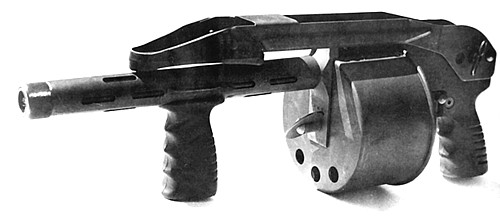
Now, there's nothing wrong with any of these methods. Some people learn better from one than the other, but all of them are valid. I'm a Pyramid-Laser person. I like a strong foundation of techniques that all build on each other, and I like to pick one or two techniques and go into deep detail on them in a given class.
Other people might be Circle-Laser learners, they prefer to learn their techniques in isolation and develop their own path from one to the other, but still like in depth examination of those techniques. There are several combinations and knowing what kind of learner you are can help speed up your development.
Now, from a teaching perspective knowing what kind of teacher you are is even more important. I teach the way I learn, but my gym is more of a Circle-Shotgun gym. Our home gym in Atlanta seems to be a Circle-Laser gym with a lot of depth on one or two techniques each class, operating on a cycle that isn't really dependent on the previous technique.
So how do you prefer to learn? How does your academy teach?
The two most common ways to teach techniques are the Pyramid, whereby a strong base of fundamental techniques is taught in sequence with each additional layer of techniques relying on the knowledge from the previous techniques, and the Circle, whereby techniques are introduced in a cycle that doesn't rely on or really connect with the previous set of techniques but are repeated on a regular basis in a cycle.
The advantages to the pyramid are that you build a very cohesive game that fits together very tightly. The disadvantage is that if you miss a chunk of the foundation techniques it may take a while before you see them again so the later techniques may be more difficult to learn until you pick them up.
The advantages of the circle are that it doesn't matter where you come into the cycle, you will eventually see all of the techniques over and over again, getting better at them each time until you master them. The disadvantage is that it may take a very long time to master a given technique because you don't have a foundation to build from.
Now, within the Pyramid and the Circle there are teaching methods for individual classes. The way I describe this is using the Shotgun approach or the Laser approach. With the shotgun you are covering 3-5 techniques or technique variations each class, with only enough detail to practice each one a few times. The idea being that each class will offer something valuable to everyone and that over time you will pick up more techniques and go into greater depth on the ones you prefer.
With the Laser method you only introduce one or two techniques or technique variations in a class and go into deep detail on it. You cover fewer techniques in a given time period,. but the ones you do cover you have a more comprehensive knowledge of.
Now, there's nothing wrong with any of these methods. Some people learn better from one than the other, but all of them are valid. I'm a Pyramid-Laser person. I like a strong foundation of techniques that all build on each other, and I like to pick one or two techniques and go into deep detail on them in a given class.
Other people might be Circle-Laser learners, they prefer to learn their techniques in isolation and develop their own path from one to the other, but still like in depth examination of those techniques. There are several combinations and knowing what kind of learner you are can help speed up your development.
Now, from a teaching perspective knowing what kind of teacher you are is even more important. I teach the way I learn, but my gym is more of a Circle-Shotgun gym. Our home gym in Atlanta seems to be a Circle-Laser gym with a lot of depth on one or two techniques each class, operating on a cycle that isn't really dependent on the previous technique.
So how do you prefer to learn? How does your academy teach?
Subscribe to:
Posts (Atom)